Living With a Wolf A Unique Guide to Sharing Space With a Wild Soul
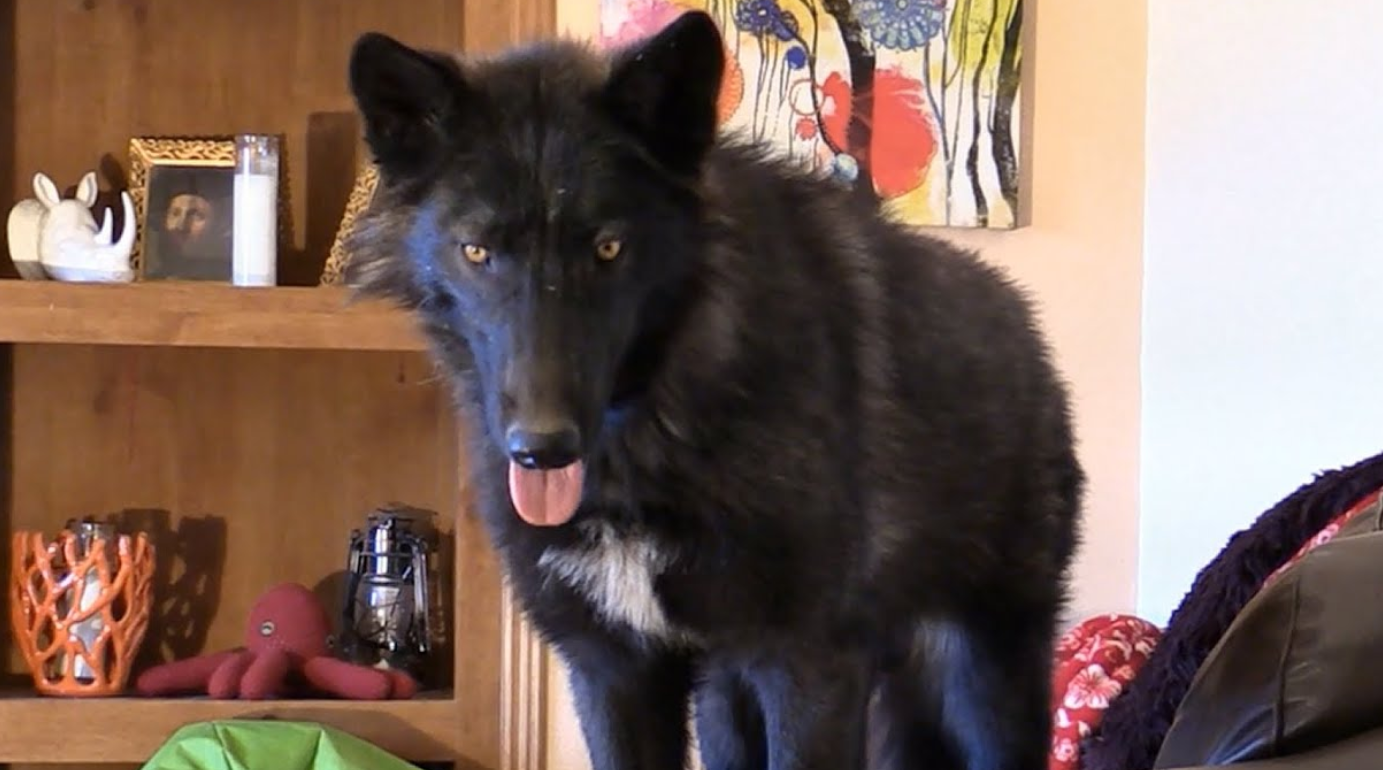
Living with a wolf is unlike living with any domestic animal. It is not simply adding a pet to your home it is inviting a piece of wilderness into your life. Wolves are intelligent, emotional, instinct-driven creatures whose loyalty is earned slowly, whose trust is sacred, and whose power must be respected. To live alongside a wolf, you must adapt more than they do. You must learn their language, understand their fears, and honor their nature
This is not a guide about taming a wolf. It is a guide about coexistence—two beings learning to share the same world without trying to change each other.
-
Accept That a Wolf Is Not a Dog
- A wolf may look like a large, mysterious dog, but they do not behave like one.
- Where a dog seeks approval, a wolf seeks understanding.
- Where a dog obeys, a wolf negotiates.
- Where a dog depends on you, a wolf chooses you—every day, or not at all.
- Living with a wolf means embracing:
- Independence rather than obedience
- Observation rather than control
- Respect rather than dominance
- If you expect a wolf to behave like a domestic pet, the relationship will fail.
-
Build Trust the Wolf’s Way
- Wolves trust slowly. They study before they approach. They remember everything.
- Trust-Building Essentials
- Move calmly and predictably
- Avoid direct staring, which can be threatening
- Use quiet voice tones
- Let the wolf come to you, never force interactions
- Trust with a wolf is not given—it is earned like a rare treasure.
-
Create an Environment That Honors Their Nature
- Wolves are not suited for small spaces or apartments.
- They need land, fresh air, and a sense of freedom.
- A Wolf-Friendly Environment Includes:
- A large, secure outdoor space
- Natural elements: trees, rocks, shade, running water
- Places to hide and observe
- High fences (wolves are incredible escape artists)
- You don’t keep a wolf you give it a territory.
-
Feed Like You Respect the Wild
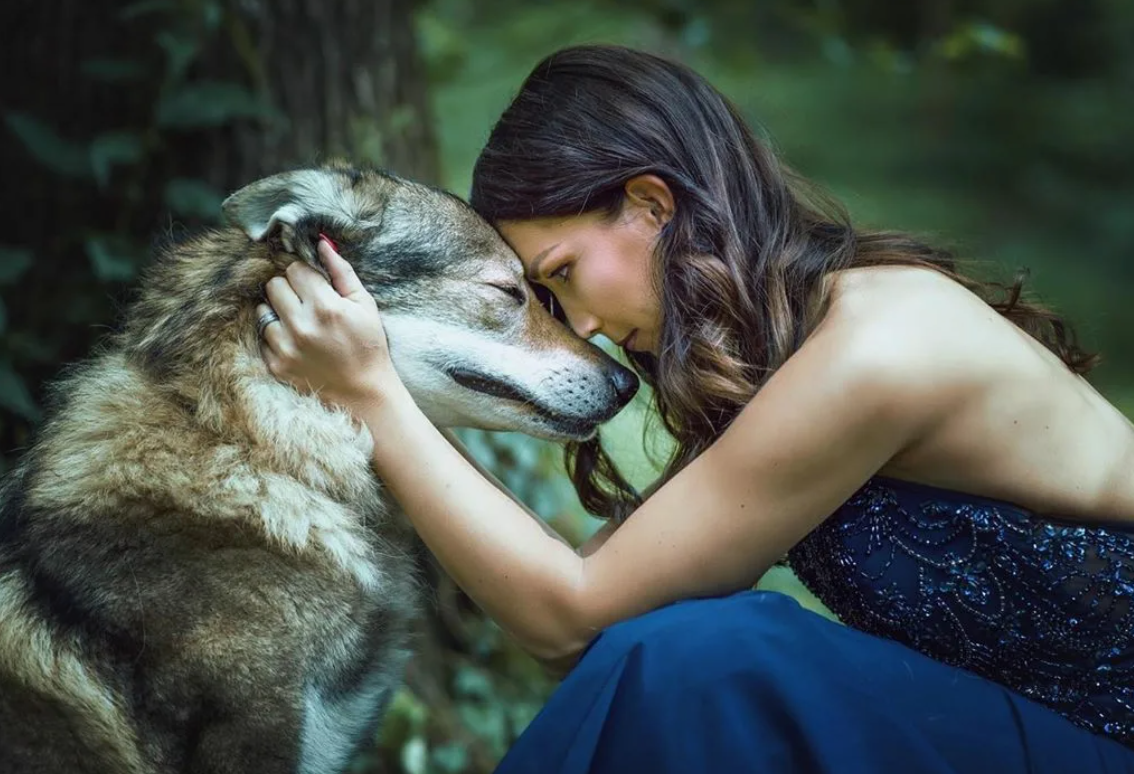
- Wolves are carnivores with diets far richer than kibble.
- A Proper Diet Includes:
- Raw meat
- Bones (safe ones, not cooked)
- Organs
- Occasional plant matter they choose themselves
- Feeding time is not just nutrition it’s ritual. It tells the wolf you understand what they are, not what you wish them to be.
-
Learn the Language of the Pack
- Wolves communicate through posture, expression, movement, and silence.
- Key Signals to Recognize
- Raised hackles: alert or stressed
- Ear positions: excitement, fear, curiosity
- Tail movement: dominance, relaxation, warning
- Low growl: discomfort not aggression
- Slow blinking: trust
- A wolf will “speak” to you long before it acts. Your job is to listen.
-
Give Them Purpose: Wolves Need Work
- A bored wolf becomes destructive, anxious, or escape-driven.
- They need stimulation.
- Challenges They Love:
- Scent trails to follow
- Puzzle feeders
- Long-distance walks
- Objects they can carry or drag
- participation in your daily routines
- With a wolf, you don’t teach commands you offer cooperation.
-
Respect Their Mood and Boundaries
- Wolves feel deeply:
- They mourn.
- They bond
- They grow anxious with change.
- They react strongly to disrespect.
- If a wolf walks away, let them.
- If a wolf lies near you, appreciate it it is trust made visible.
-
Understand That You Become Part of Their Story
- When you live with a wolf, you join their pack not the other way around.
- They will watch you, protect you, challenge you, and care for you in their own wild way.
- A wolf will not be your pet.
- A wolf will be your companion, your mirror, your test of patience, and your teacher in the art of coexistence
- To live with a wolf is to choose a life that is less convenient but far more meaningful.
Final Thoughts
Living with a wolf is not about ownership—it is about relationship.
It demands courage, empathy, patience, and humility.
If you honor their instincts, they will honor your presence.
If you treat them like a partner, not a possession, they will share their world with you.
And in those rare moments when a wolf rests quietly at your side, choosing your company over the endless freedom of the wild you will understand the true meaning of trust